
A face lift, also known as rhytidectomy, is a cosmetic surgery procedure intended to remove excess facial skin and fat, and to tighten underlying facial tissues to improve the appearance of the face. It is often done in conjunction with other facial surgeries and treatments. The goal of a face lift is to create a softer, more youthful, and smoother facial appearance. The surgery usually begins with the tightening or reshaping of underlying facial muscles. This allows the surgeon to create a new contour, wrinkle reduction, and improved facial structure. After the underlying muscles have been tightened, excess skin is removed and the remaining skin is pulled tighter and reattached with sutures. In some cases, sutures are used to shorten and/or adjust the position of the ears or jaw. The recovery process can take several weeks and the patient should be prepared for some swelling, bruising, and temporary numbness. Discomfort can usually be managed with medication prescribed by the surgeon. Depending on the individual case, the patient may need sutures removed within the first week after the procedure. The results of a face lift can last from 3 to 10 years, depending on the facial anatomy of the individual, other medical treatments performed, lifestyle habits, and the aging process. A face lift can be coupled with other procedures, such as a forehead lift, brow lift, or eyelid surgery, to help create a more youthful look. In short, a face lift is a surgical technique used to improve the appearance of the face by removing excess skin, fat, and underlying tissue. It also helps reduce wrinkles and can generate a more youthful contour.
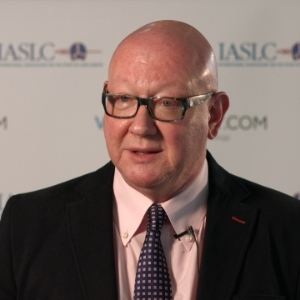
Sergei A Grando
University of California Irvine, United States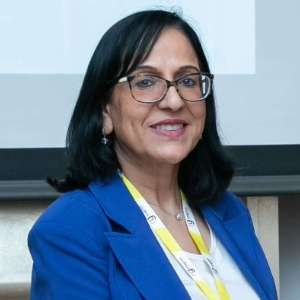
Nalini Kaul
Princeton Consumer Research, Canada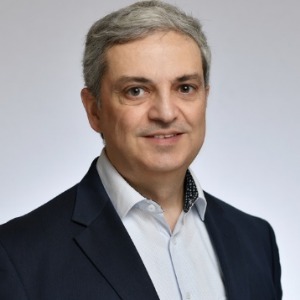
Georgios N Stamatas
SGS, France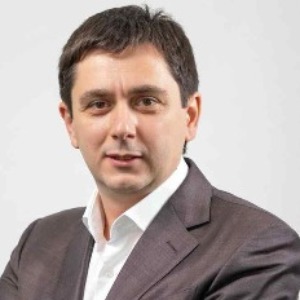
George Sulamanidze
The Clinic of Plastic Surgery and Aesthetic Dermatology, Totalcharm, GeorgiaSubmit your abstract Today

Title : Potentially curative treatment of pemphigus and pemphigoid
Sergei A Grando, University of California Irvine, United States
Title : Personalized and precision dermatology through the view of biodesign-inspired translational and data-driven applications: Revolutionary skin treatments for every concern in clinical dermatology integrating skin care experts and consumers
Sergey Suchkov, N.D. Zelinskii Institute for Organic Chemistry of the Russian Academy of Sciences, Russian Federation
Title : Integrating personalized and precision medicine into dermatology clinical practice secur-ing its potential to get skin diseases cured and to revolutionize dermatooncology
Sergey Suchkov, N.D. Zelinskii Institute for Organic Chemistry of the Russian Academy of Sciences, Russian Federation
Title : Improving soft tissue esthetics through clinical management of gingival recession
Indhumathi, Halos Cosmetology, India
Title : N-acetylcysteine in alopecia areata
Eman Mohamed Hassan, Benha University, Egypt
Title : Multiple pigmented basal cell carcinomas in a young adult: A rare presentation of Gorlin Syndrome
Shama Naaz, Clarion Skin and Mental Health Clinic, India
Title : Stochastic and deterministic skin effects of radiation
Hephzibah Konadu Agyeman, Ghana Atomic Energy Commission, Ghana
Title : The impact of skin disease on patients psychological well-being
Tanisha Singh, Redmond High School, United States
Title : Fungal feet infection in patients with diabetes mellitus
Sergeeva Irina, Novosibirsk State University, Russian Federation
Title : Microneedle-mediated transdermal delivery of azelaic acid loaded nanostructured lipid carriers for alopecia
Saloni Dalwadi, Anand Pharmacy College, India